
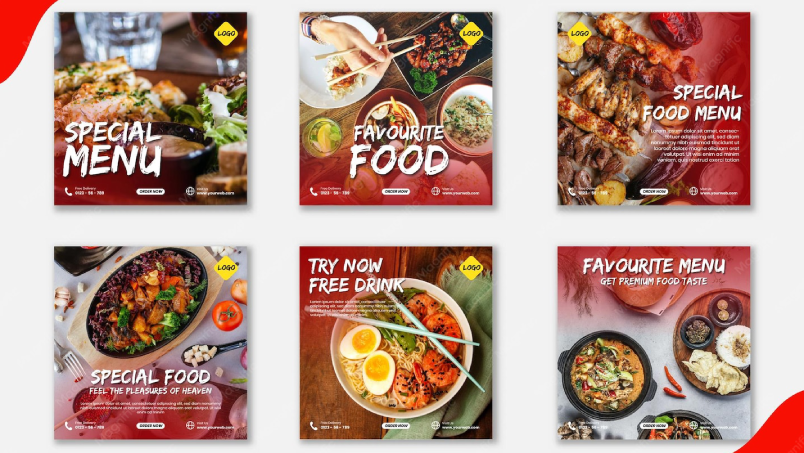
Bali’s restaurant and cafe scene is one of the most photographed and socially shared in the world. Every table in a well-designed Canggu cafe is a potential Instagram post. Every colorful smoothie bowl is a TikTok video waiting to happen. And yet most Bali F&B businesses are generating significant social media engagement without converting that engagement into meaningful revenue.
This guide covers the social media strategy that actually moves the needle for Bali restaurants and cafes — and how to connect it to bookings, orders, and revenue.
Platform Priority for Bali F&B
Instagram remains the primary visual discovery platform for food and hospitality in Bali. International tourists and local diners alike use Instagram to discover restaurants, evaluate ambiance, and assess food quality before visiting. Your Instagram presence is often the first impression you make.
TikTok is increasingly driving foot traffic to Bali F&B businesses through short video content — particularly among younger visitors (18–35) who use TikTok as their primary discovery platform. A single well-performing TikTok video can drive hundreds of walk-in visitors in a week.
Google Maps is the platform most people don’t think of as social media but should. Google reviews and your Google Business Profile generate more direct visits than most social platforms for most F&B businesses. Don’t neglect it in favor of Instagram.
Facebook remains relevant for connecting with the over-35 expat and tourist demographic, and for groups where Bali recommendations are shared. Less important for organic content than Instagram or TikTok.
Content That Works for Bali F&B
Dish-focused photography. The baseline: high-quality images of your best dishes, plated intentionally, photographed with good natural light. This is table stakes — not a differentiator. Every restaurant in Bali does this. To differentiate: show dishes in their full context (the coffee on the terrace overlooking rice fields, the smoothie bowl on the beach), not isolated on white backgrounds.
Process and kitchen content. Consistently high-performing content across Bali F&B accounts: short videos showing food being made. The barista art pour. The satay being grilled over charcoal. The homemade pasta being cut. These “making of” videos humanize your brand, demonstrate quality, and generate significantly higher engagement than finished dish photography alone.
Location and ambiance. Why do people choose one Canggu cafe over another when the menus are similar? The feeling. Morning light through the window. The sound of rain on a rice field. The vibe of the dinner crowd on a Friday. Content that captures this feeling — especially video — is what drives the emotional “I want to be there” response that motivates a visit.
Staff and personality. The restaurants with the strongest social followings in Bali are almost always ones whose social presence has a human face: a recognizable owner, a charismatic chef, a front-of-house person with personality. Content featuring real people consistently outperforms content featuring empty spaces and food.
User-generated content (UGC). Your customers are already creating content at your venue. Reposting their tagged content (with permission) is both free content and social proof — showing other potential customers that real people are enjoying their experience. Actively encourage UGC with a branded hashtag and a small in-cafe prompt.
The Conversion Problem (and How to Solve It)
Most Bali F&B social accounts optimize for engagement — likes, comments, shares — without a clear path from that engagement to actual visits or orders. The fix requires making conversion intentional:
Link in bio. Change your Instagram link in bio to a direct booking or menu link — not your homepage. Most restaurants send Instagram traffic to their homepage, which requires additional clicks to find reservation options. Every additional click loses customers.
Reservation CTAs in Stories. Instagram Stories with a direct booking link button (available to Business accounts) convert immediately for users in a planning phase. A Story showing your dinner ambiance with a “Reserve a table” link button should be a weekly staple.
WhatsApp integration. Add your WhatsApp number prominently to your bio, stories, and any reservation-related posts. Many Bali visitors — particularly from Asian markets — prefer to make restaurant reservations via WhatsApp rather than online booking widgets.
TikTok link optimization. TikTok allows one link in bio (available through a business account). Use a link tree tool (Linktree, Campsite) to give TikTok visitors options: make a reservation, view the menu, find us on Google Maps.
Google Maps: The Undervalued F&B Channel
For Bali restaurants and cafes, Google Maps often drives more actual visits than Instagram or TikTok — because it’s where people search when they’re actively deciding where to eat right now. Optimizing your Google Business Profile is as important as optimizing your Instagram:
- Complete your menu in Google Business Profile — it displays directly in search results
- Upload 30+ photos across all categories (food, interior, exterior, team)
- Respond to every Google review within 24 hours
- Add your restaurant to the “Reserve a table” feature if your booking system integrates with Google
Need help building a social media and Google Maps strategy for your Bali restaurant or cafe? Contact Bali Web Design.