
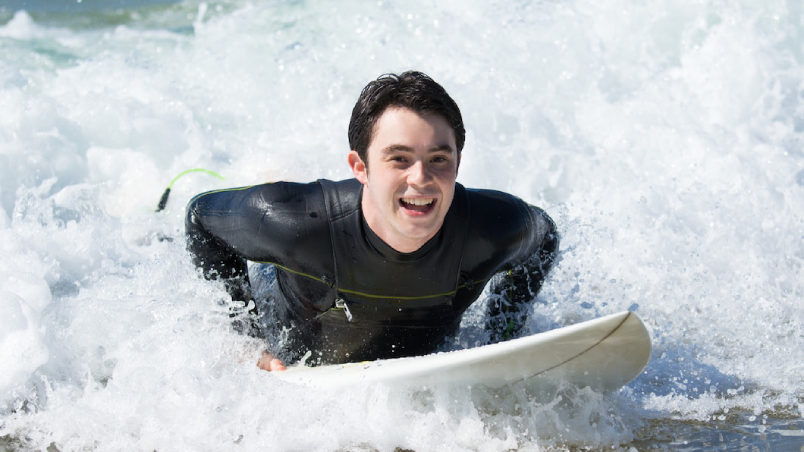
When a surf school in Canggu invested Rp 0 in paid advertising in 2024 and still generated a 500% increase in website traffic over nine months, the strategy was not magic. It was a systematic approach to short-form video content — and a willingness to be genuinely entertaining rather than generically promotional.
The Starting Position
A two-instructor surf school operating from Batu Bolong beach in Canggu had operated since 2020 through walk-ins, hotel referrals, and GetYourGuide listings. Social media was present but inactive: an Instagram account with 820 followers and 12 posts from 2022, no TikTok presence, and a YouTube channel with four videos from 2021 averaging 340 views each.
Their product was strong — excellent beginner instruction, bilingual guides, consistent safety standards, and a genuine ability to get absolute beginners standing on their first lesson. The challenge: nobody outside their immediate network knew this.
The Video Content Strategy
The owner and one instructor committed to a video content experiment: one Reel per day for 30 days, with zero budget beyond the smartphones they already owned and a stabilizing gimbal purchased for Rp 650,000.
Content categories they rotated through:
Student transformation videos. With permission, short clips showing absolute beginners going from “falling immediately” in lesson 1 to “standing and turning” by lesson 3. These performed consistently well because they demonstrated the product working — specific, visual proof of the value they deliver.
Authentic Canggu surf content. 30-second clips of the morning surf conditions at Batu Bolong, wave quality commentary, “should you surf today?” content. This attracted the surf enthusiast audience that extends far beyond their immediate booking market.
Humor and personality. The instructor community at Batu Bolong is warm, funny, and genuinely entertaining. Videos showing the actual culture of learning to surf in Bali — wipeouts, the encouragement culture, the post-surf ritual of fresh coconuts — consistently outperformed polished promotional content.
Education that builds trust. “The most common beginner mistake we see” (5.2M views eventually), “Why we don’t teach surfing in fins at first,” “How to read a surf report as a beginner.” These videos positioned the instructors as genuine experts whose judgment should be trusted when booking a lesson.
The First Viral Moment
On day 18, a 42-second video — showing a 58-year-old first-time surfer standing up on her fifth attempt, with the instructor’s genuine reaction of celebration — reached 1.2 million views on TikTok within four days. It was not produced, scripted, or planned. The filming happened because filming had become a daily habit.
The video drove 4,200 profile visits in a week, 1,800 link-in-bio clicks, and a 340% spike in booking inquiries that month. Three students in that month’s bookings cited the specific video as their primary reason for choosing this school over competitors.
YouTube: The Long-Tail Search Engine
In parallel with TikTok and Instagram Reels, a YouTube strategy was developed targeting the search queries that travelers and surf beginners use when researching Bali surf lessons:
- “How to surf for beginners Bali” — 12,000 monthly YouTube searches
- “Canggu surf spots guide” — 4,400 monthly searches
- “Bali surf lesson what to expect” — 3,200 monthly searches
- “is Canggu good for beginner surfing” — 2,800 monthly searches
Five long-form videos (8–15 minutes) were produced and optimized for these search terms. By month 6, three were ranking on page 1 of YouTube for their target terms. These videos drove sustained traffic — unlike viral TikTok content that spikes and recedes, YouTube SEO delivers consistent, compounding views over months and years.
Connecting Video to Bookings
The missing link in most social media strategies is a clear path from content to conversion. The surf school implemented several conversion mechanisms:
- All platform profiles linked to a single booking page (not the homepage) with a live availability calendar
- Every video included a call to action: “Link in bio to book your first lesson — we’re open daily 7am to 5pm”
- WhatsApp Business link prominently displayed for viewers who preferred direct contact
- A limited “first lesson discount for followers” code included in one video per month — trackable discount code revealing exactly how many bookings came from social channels
Results at 9 Months
- TikTok: 43,000 followers (from zero)
- Instagram Reels: 18,000 followers (from 820)
- YouTube: 6,200 subscribers, 280,000 total channel views
- Website traffic: +500% versus baseline
- Monthly booking inquiries: 6–8x baseline
- Booking source attribution: 38% social media, 31% search (Google + YouTube), 18% GetYourGuide, 13% referral/walk-in
Total content investment at 9 months: approximately Rp 12 million (gimbal, basic editing software, part-time video editor from month 4). The social media and YouTube channels now function as a 24-hour marketing team operating at a fraction of the cost of any paid advertising equivalent.
Why This Bali Surf School TikTok YouTube Viral Marketing Formula Works
The results above are impressive, but they are not random. There are structural reasons why this particular approach to Bali surf school TikTok YouTube viral marketing outperforms traditional digital advertising for activity and tourism businesses in Canggu and across Bali.
First, the algorithm on both TikTok and YouTube Shorts rewards content that generates genuine engagement — watch time, comments, saves, and shares. Authentic surf content showing real students in real conditions naturally triggers emotional responses: aspiration, humor, nostalgia, inspiration. These emotional triggers drive the engagement signals that push content to wider audiences, creating a compounding growth loop that paid ads cannot replicate.
Second, Bali as a travel destination already has massive organic interest. Searches for “surfing in Bali,” “Canggu beach guide,” and “things to do in Canggu” generate hundreds of thousands of monthly searches globally. Content that taps into this existing interest and connects it to a specific, credible local business benefits from the destination’s pull without competing directly on paid keywords.
Third, tour and activity businesses have an inherent content advantage over e-commerce or B2B businesses: their product is visually spectacular and emotionally resonant. A first-time surfer standing up on a wave is a universally compelling moment. Every lesson provides potential content that most businesses would pay thousands of dollars to manufacture artificially.
The Production Workflow: What the 9-Month Schedule Actually Looked Like
Understanding the tactical execution matters as much as the strategy. Here is how the surf school structured their content production week by week:
Morning filming (6:30–9:30am). The instructor designated for filming each day wore a GoPro chest mount during lessons and kept a smartphone on a tripod at a fixed angle on the beach. Most usable content came from these unplanned, genuine moments rather than staged shots.
Afternoon editing (30–45 minutes daily). Raw footage was reviewed during the post-lunch quiet period. One clip was selected, trimmed to under 60 seconds, captioned (critical — 85% of social video is watched without sound), and published with a consistent set of hashtags developed in week 2 after testing 40+ variations.
Weekly YouTube batch. Once per week, a longer 8–12 minute video was structured around a specific search term, filmed over the course of 2–3 mornings, and edited with slightly more polish than the daily Reels. Thumbnails were A/B tested using YouTube Studio’s built-in testing feature from month 3 onwards.
Monthly review and pivot. At the end of each month, the top 5 performing videos were analyzed for common elements: time of day, type of surfer, emotional arc, caption structure, hashtag clusters. Content strategy was adjusted based on what the data showed — not guesswork.
Platform-Specific Tactics That Made a Measurable Difference
Across nine months, specific platform behaviors consistently moved the metrics in the right direction. These are learnable, repeatable tactics that any Bali tourism business can apply:
TikTok-Specific
- First 1.5 seconds determine everything. The highest-performing videos opened mid-action — a surfer already mid-wipeout, an instructor already laughing, a wave already breaking. Opening with a logo or location card killed watch time in the critical first moments.
- Response videos doubled engagement. When comments asked questions (“What board do you use for beginners?”), creating a direct video response to that comment generated dramatically higher reach than original content. TikTok’s algorithm actively promotes reply content.
- Posting between 6–9am Bali time consistently outperformed afternoon and evening posts by 20–35% in first-hour engagement, which determines initial algorithmic reach.
YouTube-Specific
- Keyword-first titles outperformed creative titles. “Canggu Surf Lesson: Complete Beginner’s First Day Guide (Bali 2024)” outperformed “Your Dream Surf Holiday Starts Here” by 400% in search-driven views.
- Chapter markers increased average view duration by 22%. Long-form videos with timestamps (“0:00 Introduction, 2:15 What to wear, 4:30 Your first wave attempt”) kept viewers engaged longer, which YouTube’s algorithm rewards with higher search placement.
- End screen CTAs drove 340 WhatsApp conversations over the 9-month period — more direct booking pipeline from end screens alone than the business had generated from its entire pre-2024 online presence.
How a Professional Website Amplified the Social Media Success
One factor that the raw social media numbers do not reveal: the surf school’s investment in a properly structured website before launching the content campaign was critical to converting social traffic into bookings. Without it, the 500% traffic increase would have arrived at a broken or confusing landing experience and largely failed to convert.
The website was rebuilt with a mobile-first design (92% of social media traffic arrives on mobile), a booking widget that worked without page reload, fast loading times on Indonesian mobile networks, and clear trust signals — instructor photos, certification logos, and review aggregation from Google and TripAdvisor. A professional website transformed the social audience from passive viewers into active paying customers.
This matters for any Bali activity business considering a similar video strategy: social media drives interest, but your website closes the sale. Viral content that lands on a slow, confusing, or mobile-unfriendly website wastes the reach you have earned.
Replicating This Strategy for Other Bali Activity Businesses
The Bali surf school TikTok YouTube viral marketing model is not limited to surf instruction. The same framework has been successfully adapted by white water rafting operators in Ubud, cooking class businesses in Seminyak, and yoga retreats in Uluwatu. The core principle transfers across every Bali activity sector: show the transformation, not the transaction.
For any Bali activity or tourism business ready to replicate this approach, the minimum viable setup is straightforward:
- A smartphone with a capable camera (any flagship from the last 3 years is sufficient)
- A gimbal or stabilizer (Rp 500,000–1,500,000 range covers solid entry-level options)
- CapCut or similar mobile editing app (free tier is adequate for the first 6 months)
- A consistent posting schedule — consistency matters more than production quality in the first 90 days
- A website that can handle the traffic — specifically, a fast mobile-optimized booking page with a clear CTA above the fold
The content categories that work for surf schools — transformation, authenticity, humor, education — map directly to the content categories that work for any experiential tourism business. White water rafting businesses show the first-time rafter’s face at the bottom of the biggest drop. Cooking classes show the moment the dish comes out of the wok looking exactly right. Yoga retreats show the sunrise over rice fields at 6:30am that early risers actually experience.
Measuring What Actually Matters
One of the most common mistakes Bali tourism businesses make when starting a social media content strategy is optimizing for vanity metrics — follower counts and likes — rather than business metrics. The surf school case study succeeded in part because the owners tracked the metrics that mattered from month one:
- Link-in-bio clicks (direct intent signal from social to website)
- WhatsApp message volume (broken out by month to show trajectory)
- Booking discount code redemptions (direct attribution of bookings to content)
- YouTube click-through rate on end screen CTAs (measurable video-to-inquiry pipeline)
- Website session source breakdown (understanding which platform drives which behavior)
A well-configured digital marketing measurement setup — connecting Google Analytics 4, YouTube Studio, and TikTok Analytics into a unified monthly report — gave the business clear visibility into what was working and what was not. Data-driven iteration is what separated this business’s 500% traffic growth from the many Bali activity businesses that post consistently but see no meaningful booking impact.
The Compounding Effect: What Years 2 and 3 Look Like
At the 9-month mark, the surf school’s content library stood at 270+ short-form videos and 20 long-form YouTube videos. This library compounds in value over time in ways that paid advertising cannot. A TikTok posted in February 2024 still appears in searches in July 2026. A YouTube video ranked for “beginner surf lesson Bali” does not stop ranking because the monthly budget ran out.
The business now operates with an estimated media asset value — the audience reach and search presence their content library represents — that would cost several hundred million rupiah to replicate through paid advertising. Built on a Rp 12 million investment in 9 months, this is the true return on investment that organic Bali surf school TikTok YouTube viral marketing generates when executed with consistency and strategic intent.
For Bali business owners still relying primarily on GetYourGuide commissions, walk-in traffic, or seasonal hotel referrals, the most important takeaway from this case study is not the viral moment. It is the 270 videos that made the viral moment possible — and the compounding business asset those videos have become.
Ready to build a video content strategy and digital presence that drives real bookings for your Bali activity or tourism business? Contact Bali Web Design for a free consultation.